
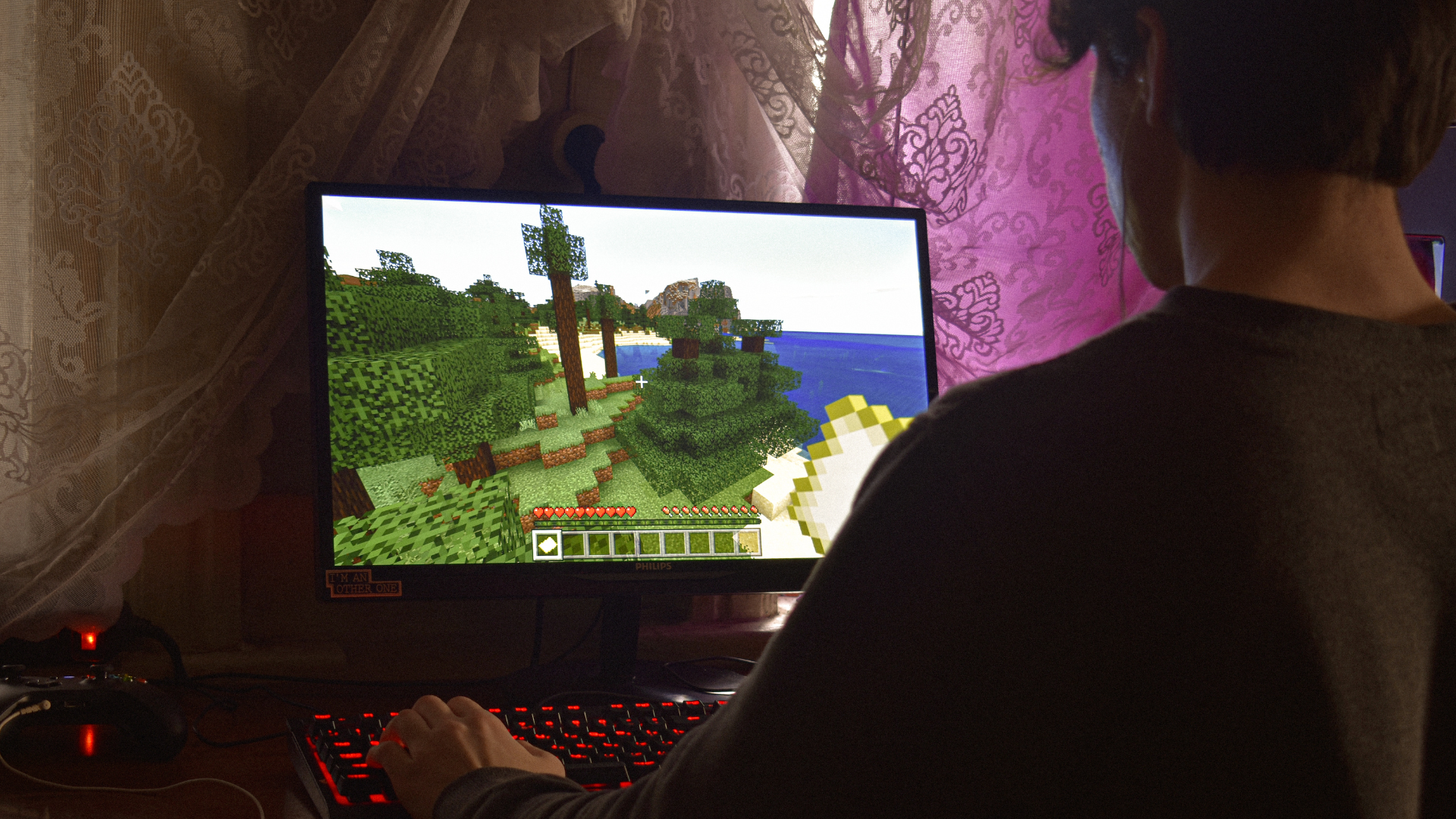
In the world of gaming, the debate between graphics and gameplay often resonates with players and developers alike. Many gamers find themselves drawn to stunning visuals, yet the experience of engaging gameplay often holds greater significance. A well-crafted game prioritises gameplay over graphics, leading to a more immersive and rewarding experience.
While advancements in technology have enabled remarkable graphical fidelity, it is crucial to consider how these elements interact. Graphics can enhance the gaming experience, but if the gameplay is lacking, even the most visually impressive titles can fall flat. The essence of a successful game lies in its ability to balance both aspects effectively.
As players explore their gaming options, they must navigate this dichotomy. Understanding the strengths and weaknesses of each can guide their choices and help support a richer gaming journey. Games that skillfully blend captivating graphics with engaging gameplay often leave a lasting impression on their audiences.
Graphic Fidelity vs Gameplay Dynamics
The balance between graphic fidelity and gameplay dynamics plays a crucial role in game development. While advancements in graphics can enhance a gaming experience, the core mechanics and engagement factor are equally vital.
The Evolution of Graphics in Gaming
Gaming graphics have evolved significantly since the early days of titles like Pong and Pac-Man. These games featured simplistic visuals, relying on basic shapes and colours. As technology advanced, so did the expectations for realism, leading to the rise of 3D graphics.
High-quality graphics have become standard, with titles such as Minecraft and Super Mario Odyssey showcasing vibrant worlds and intricate details. Graphics engines now enable intricate textures and lighting, enhancing the visual experience. Despite this progression, many argue that visual improvements should not detract from gameplay quality.
Defining Gameplay and Its Core Elements
Gameplay refers to the mechanics and interactive aspects of a game that define player experience. Core elements include game mechanics, level design, and narrative. These components determine how players interact with the game environment and each other.
For instance, in a 3D game, the responsiveness of controls and the complexity of gameplay mechanics can significantly impact enjoyment. Games may have stunning graphics, but if the gameplay is uninspired, the overall experience suffers. Balancing graphics and innovative gameplay is essential for success in a competitive game market.
The Impact of Video Game Aesthetics
The aesthetics of video games significantly influence player experience and engagement. This encompasses various elements, such as environment design and audiovisual components that shape storytelling and overall immersion.
Creating Immersive Environments
Immersive environments are crucial in drawing players into a game’s narrative. Designers employ detailed textures, dynamic lighting, and realistic physics to create spaces that feel alive.
For instance, indie games often focus on unique artistic styles that enhance their storytelling. Through thoughtful design, they evoke specific emotions and responses.
A well-crafted environment can guide players through the story, revealing plot elements through visual cues. Surprising interactions with the environment can deepen the connection to the game’s world.
Audiovisual Elements and User Interface
Audiovisual elements play a pivotal role in shaping the player’s experience. Music and sound effects can heighten tension or provide comfort, setting the scene for pivotal moments.
A thoughtfully designed HUD ensures important information is accessible without cluttering the screen. Visual feedback, such as animations and colour changes, reinforces player actions and decisions.
Together, these elements facilitate storytelling. They ensure that players remain engaged and immersed, fostering a deeper understanding of the game’s context and emotions.
Game Design and Player Engagement
Game design plays a crucial role in shaping player engagement by effectively balancing graphics and gameplay. Factors such as narratives, mechanics, and target audiences significantly influence how players experience games.
Balancing Graphics and Gameplay for Target Audiences
Engagement often hinges on how well graphics complement the gameplay. For instance, in franchises like Call of Duty, high-quality visuals enhance realism while focusing on fast-paced mechanics. This synergy appeals to younger age groups who gravitate towards immersive experiences.
Game design should prioritise gameplay experience (GX) over mere aesthetics. Developers must consider player preferences, ensuring that graphical fidelity does not overshadow essential mechanics. If graphics distract or complicate interactions, it can negatively impact engagement, especially in competitive environments.
Narratives and Mechanics in Gaming
The storytelling aspect of gaming creates an emotional connection between players and the game. A strong narrative can motivate players to explore game mechanics deeply. In well-designed games, the narrative seamlessly intertwines with gameplay, enhancing immersion.
Effective mechanics should reflect the underlying story, allowing players to engage meaningfully. Age groups respond differently; younger players may prefer action-driven narratives, while older audiences might appreciate character depth and plot intricacies. Crafting multifaceted narratives adds layers to the gameplay experience, ensuring diverse appeal across the gaming industry.
Case Studies and Genre Analysis
The interplay between graphics and gameplay can be vividly illustrated through notable titles in both blockbuster and indie game markets. Analysing specific case studies reveals how these elements shape player experiences and industry trends.
Blockbusters and Market Trends
Blockbuster games often invest heavily in graphics, aiming for cutting-edge visuals to attract players. Titles like Grand Theft Auto V and Final Fantasy XV exemplify this trend. Their high production values enhance immersion, allowing players to engage deeply with expansive worlds.
For instance, GTA V showcases a detailed open world, facilitating complex interactions and narratives. Meanwhile, the Final Fantasy series balances stunning aesthetics with intricate gameplay mechanics, appealing to both new and veteran gamers.
Market success often hinges on these dual pillars. Games with compelling graphics like Super Mario Odyssey attract attention, yet the core gameplay mechanics ensure lasting engagement. As seen with Tears of the Kingdom, it is the innovative gameplay that elevates the experience, even amidst impressive visual design.
Indie Games and Innovation
Indie games frequently prioritise innovative gameplay over high-end graphics, setting them apart in a competitive landscape. Titles such as Minecraft and Celeste demonstrate that unique mechanics and storytelling can resonate strongly with audiences.
Minecraft utilises simple block graphics yet offers an expansive environment for creativity and exploration, proving that engaging gameplay can trump visual fidelity. Conversely, Celeste features pixel art that complements its challenging platforming mechanics.
Games like Candy Crush further highlight that simplicity in graphics can still lead to significant market success. The accessibility and addictive gameplay focus make such titles incredibly popular, emphasising that strong mechanics and player engagement often yield better results than high-quality graphics alone.