
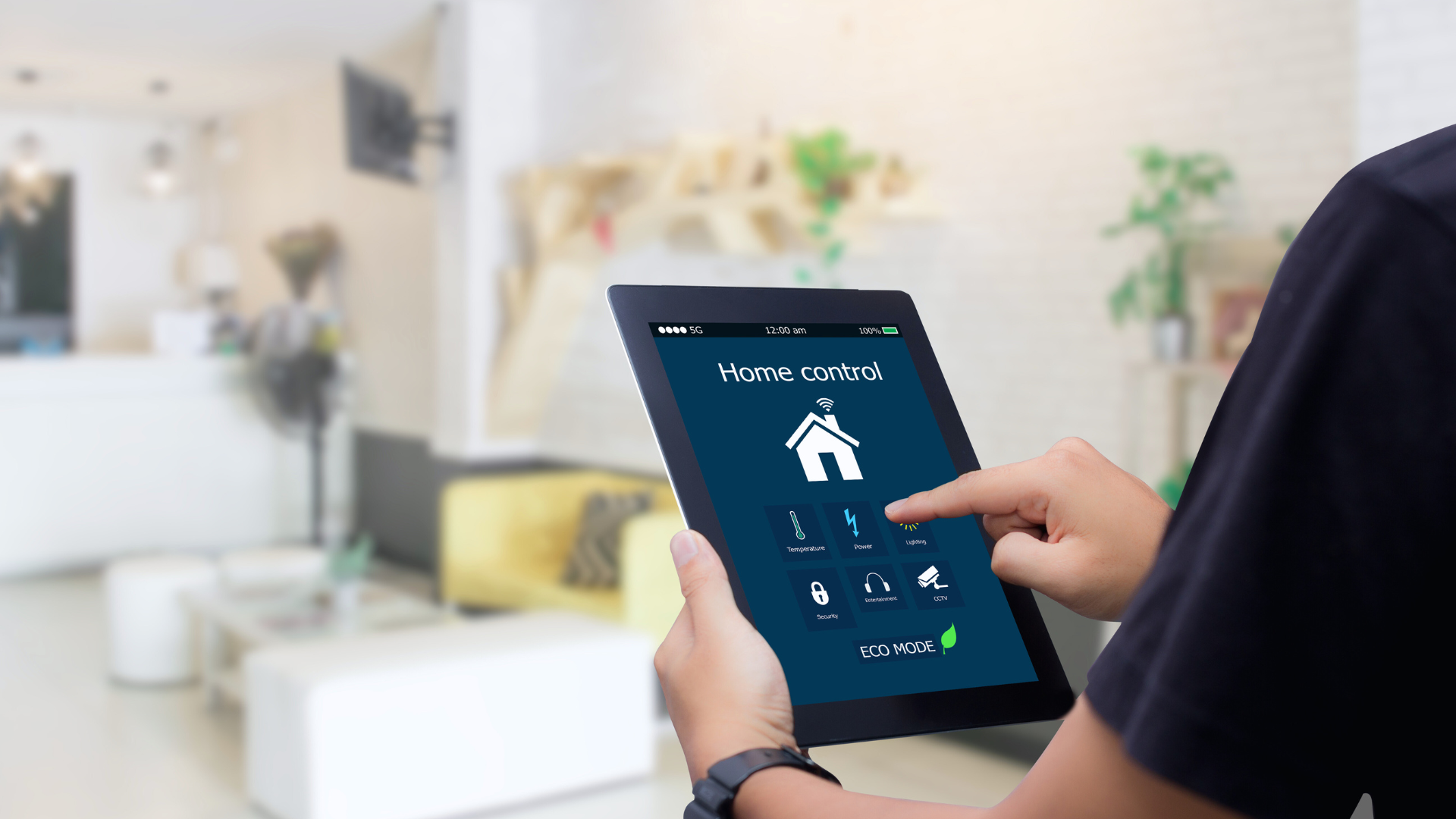
Smart home technology is evolving rapidly, with innovations that enhance convenience, security, and energy efficiency. Among the most significant trends are the rise of voice-activated assistants, the integration of AI for smart automation, and a growing focus on sustainability. These advancements not only simplify daily routines but also contribute to more efficient living environments.
As consumers become increasingly tech-savvy, they seek solutions that offer seamless integration with their lifestyles. Smart devices are becoming more user-friendly, ensuring that even those who are not technology enthusiasts can easily navigate their benefits. This shift is making smart home technology more accessible than ever before.
The importance of security and privacy also shapes the direction of smart home advancements. With more devices connected to the internet, there is a heightened awareness of the need for robust security measures. As the market continues to expand, staying informed about these trends will enable consumers to make better choices for their homes.
Smart Home Technology Evolution
The evolution of smart home technology has been marked by significant advancements, particularly with the introduction of new standards and a growing emphasis on integration. These developments shape how devices communicate within smart home ecosystems, enhancing user experience and connectivity.
The Advent of Matter and Its Impact
Matter is a unifying standard aimed at simplifying interoperability among smart home devices. Introduced by the Connectivity Standards Alliance, it has brought together major technology companies to enhance compatibility. This allows devices from different manufacturers to work seamlessly together.
With Matter, users can expect improved connectivity and reduced fragmentation in smart home environments. Devices such as smart lights, locks, and sensors now communicate more effectively, streamlining setup and enhancing compatibility. As the adoption of Matter grows, it is likely to become the cornerstone of modern smart home technology.
Importance of Integration in Smart Home Ecosystems
Integration is crucial for creating effective smart home ecosystems. Homeowners expect devices to work together harmoniously, enabling automation and remote control. This requires robust communication protocols and compatibility standards, which matter significantly.
A well-integrated system allows users to control lighting, security, and climate with a single interface. This simplicity enhances user experience, making it easier for people to utilise various technologies. Seamless integration also ensures that updates and new features can be easily implemented across devices.
Rising Trends in Home Automation and Connectivity
The trends in home automation demonstrate a shift toward greater connectivity and user-centric solutions. Voice control has gained popularity, with devices being compatible with assistants like Amazon Alexa and Google Assistant. This hands-free approach simplifies daily tasks and increases engagement with technology.
Moreover, remote monitoring and control features have become essential. Users can now check security cameras or adjust thermostats from anywhere via smartphone apps. The Internet of Things continues to expand, with more devices becoming interconnected, providing enhanced functionality and user convenience. As connectivity improves, the possibilities for home automation will likely grow, catering to evolving consumer needs.
Latest Devices and Innovations
Recent advancements in smart home technology have significantly improved security, convenience, and energy efficiency. The latest devices include enhanced smart security features, advanced lighting options, innovative voice-activated assistants, and energy-efficient climate control systems.
Advancements in Smart Security and Surveillance
Smart security has seen remarkable innovations, particularly in security cameras and video doorbells. Modern smart security cameras are equipped with high-definition video recording, live streaming, and two-way audio features. Many systems now incorporate facial recognition technology, enabling users to receive alerts for recognised faces versus strangers.
Video doorbells like the Ring and Nest provide real-time monitoring of home entrances. Users can communicate with visitors remotely through a smartphone app, enhancing both safety and convenience. Integration with existing home security systems offers an all-encompassing solution for property protection.
The Convenience of Smart Lighting and Appliances
The smart lighting market has evolved with devices such as Philips Hue and Govee, offering extensive colour options and automation capabilities. Users can control multiple lights through their smartphones or voice commands, creating customised ambiences for different occasions.
Smart appliances, including those found in the kitchen, have also become prevalent. Ovens, refrigerators, and coffee makers can be operated remotely, allowing users to efficiently manage meal preparation schedules. To ensure all devices function safely and effectively within a connected ecosystem, many homeowners rely on professional Electrician services Las Vegas NV or elsewhere. These services help ensure proper installation, prevent overload issues, and support system integration for seamless operation. The combination of smart lighting and appliances contributes to a seamless home experience, enhancing both style and functionality.
Voice Assistants and Smart Speakers at the Forefront
Voice assistants and smart speakers, like Amazon Echo and Google Nest, remain at the forefront of smart home technology. These devices facilitate hands-free control of various smart devices, enabling users to manage home settings through simple voice commands.
The integration of these systems with multiple smart devices creates a cohesive environment. Users can adjust lighting, lock doors, or check the status of appliances without needing to use a smartphone or remote control. The convenience and accessibility of voice-controlled smart homes enhance daily living.
Energy-Efficient Smart Thermostats and Climate Control
Smart thermostats offer significant advancements in climate control and energy efficiency. Devices like the Nest Learning Thermostat adapt to user behaviours to optimise heating and cooling schedules, leading to reduced energy consumption.
These thermostats can be controlled remotely via smartphone apps, allowing users to adjust settings while away from home. By tracking energy usage, smart thermostats provide insights that help users make informed decisions, further promoting energy efficiency. Such features contribute to both cost savings and environmental sustainability.
Whilst these thermostats are a great addition to a home, it is still important for the homeowners to pay attention to their heating and cooling systems to ensure that they are not leaching energy and causing bills to go up. Bringing in a Midland Park NJ AC repair company is very important to ensure that it is fixed and ready to be used again.
For homes that rely on heating oil or propane rather than natural gas, keeping the fuel supply steady is just as important as maintaining the physical equipment. Many homeowners set up automatic delivery schedules with a local supplier so they do not run out of fuel during a cold snap. Working with an established regional provider like 21stcenturyenergygroup.com helps keep these systems running without interruption. This reliable supply chain ensures that smart thermostats can actually do their job of regulating home temperatures throughout the winter months.
Intersecting Domains: AI, Machine Learning, and the Smart Home
Artificial intelligence (AI) and machine learning (ML) significantly enhance smart home technology, optimising user experience and energy efficiency. These technologies enable devices to learn from user behaviour and improve functionality over time. Their integration into everyday household items is transforming modern living.
The Role of AI and Machine Learning in Home Tech
AI and ML play critical roles in the functionality of smart home devices. For instance, voice-activated assistants use AI to interpret commands, making them more responsive to individual users. Machine learning algorithms analyse patterns in user interactions, leading to improved recommendations and personalised settings.
Robot vacuums exemplify this technology. Brands like iRobot’s Roomba utilise AI to navigate spaces intelligently. They learn room layouts, avoid obstacles, and optimise cleaning paths over time. The capacity to adapt enhances cleaning efficiency, while connectivity allows users to schedule cleanings from their smartphones.
Health Tech Integration in Smart Homes
Health tech is increasingly integrated into smart homes, providing real-time monitoring and data analysis. Devices such as smart thermometers, blood pressure monitors, and sleep trackers utilise AI to process information, aiding users in maintaining their health.
Smart home technologies can notify users about irregular health patterns or emergencies. Elderly individuals benefit significantly from such setups, where devices can alert caregivers in case of falls or other health issues. Connecting these devices to AI platforms enables seamless data sharing, enhancing user safety and health outcomes.
The fusion of AI, ML, and health tech in smart homes demonstrates a commitment to improving the quality of life through technology.
Environmental Impact and Smart Home Sustainability
Smart home technology plays a significant role in enhancing sustainability and reducing the environmental footprint of households. By adopting intelligent systems, homeowners can make substantial progress toward energy efficiency and lower carbon emissions.
Smart Tech Solutions for Energy-Saving
Smart home devices offer various solutions to improve energy efficiency. For instance, smart thermostats adjust heating and cooling schedules based on occupants’ habits, ensuring energy is not wasted. Technologies like smart lighting allow users to control lighting remotely and set schedules, further reducing energy consumption.
In addition, smart plugs can monitor and limit the electricity usage of connected appliances. Integrating these devices often leads to energy savings of up to 30%, as reported by various studies. Homeowners can benefit not only from lower utility bills but also from enhanced comfort and convenience.
Reducing Carbon Footprint with Intelligent Home Devices
The adoption of intelligent home devices significantly impacts a household’s carbon footprint. Smart appliances such as energy-efficient washers, dryers, and refrigerators are designed to consume less energy and water.
Moreover, when combined with renewable energy sources like solar panels, smart technology helps to optimise energy production and usage. Devices that provide real-time energy monitoring empower users to identify areas for improvement, consequently contributing to a reduction in greenhouse gas emissions.
This shift towards smart home integration is an essential trend within the smart home market. As more users adopt these technologies, the collective impact on carbon emissions can be substantial, fostering a more sustainable future.