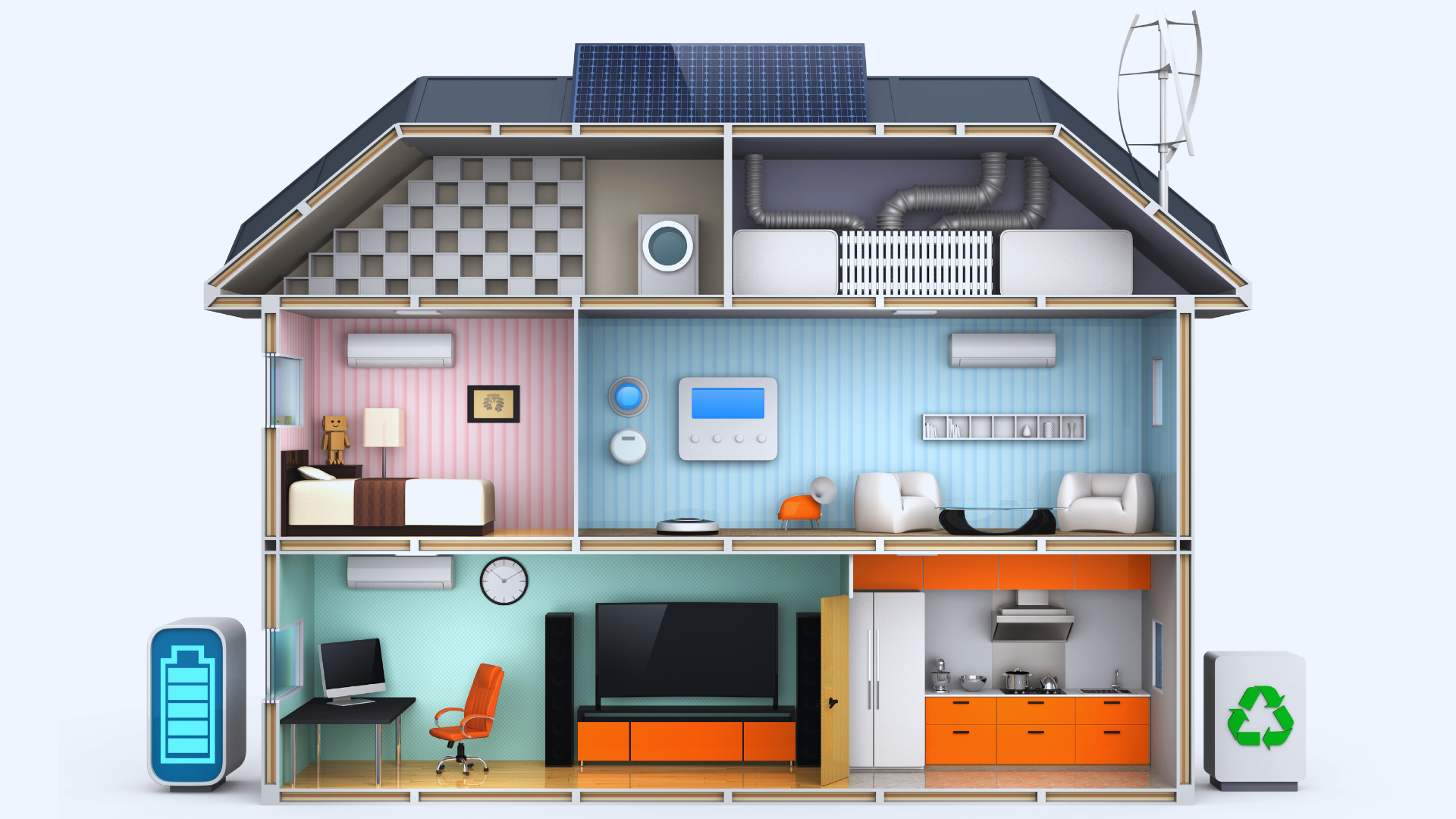
The landscape of home technology is evolving rapidly, with smart home energy management at the forefront. Home automation is not just about convenience; it plays a crucial role in enhancing energy efficiency. The future promises systems that intelligently optimise energy consumption, allowing households to reduce their carbon footprint while cutting costs.
Homeowners are increasingly adopting smart devices that monitor and control energy use in real time. This shift towards automation enables more informed decisions about energy consumption patterns. Innovative solutions will empower individuals to manage their energy resources proactively.
As technology advances, the integration of artificial intelligence into energy management systems will enable even greater efficiencies. This new wave of smart home solutions anticipates needs and preferences, transforming how people interact with their energy use daily. The potential for significant energy savings and reduced environmental impact makes this an exciting frontier for homeowners.
Smart Home Technology and Energy Efficiency
Smart home technology plays a pivotal role in enhancing energy efficiency through various innovative tools and systems. This section explores essential components, including smart meters, home energy management systems, and the integration of renewable energy sources, all working synergistically to optimise energy consumption.
The Role of Smart Meters and Home Energy Management Systems
Smart meters provide real-time data regarding energy consumption within a household. This information is crucial for homeowners aiming to reduce their energy usage.
Home energy management systems (HEMS) utilise this data to analyse patterns and suggest actionable measures for improvements. By providing insights into peak usage times and identifying energy hogs, HEMS empower users to modify their consumption behaviour.
With the ability to remotely monitor energy use, individuals can control devices accordingly, leading to significant savings. The integration of smart meters with HEMS fosters a deeper understanding of energy dynamics, allowing users to achieve targeted energy efficiency goals. For households that rely on heating oil, this insight becomes even more valuable. Monitoring consumption alongside scheduled heating fuel delivery can help avoid running low during colder months and plan refills more efficiently. Many residential providers offer automatic delivery options along with budget plans. When smart meters and HEMS work together with a dependable fuel delivery service, a better control over both energy efficiency and home comfort can be gained.
Integration of Renewable Energy Sources in Smart Homes
Renewable energy sources, such as solar panels and wind turbines, are increasingly being integrated into smart homes, enhancing sustainability while optimising energy efficiency. By harnessing solar energy, households can generate electricity and, when combined with battery storage, manage energy supply even during peak demand periods.
To complement these renewable sources, many households often incorporate propane for homes as a complementary energy solution. Propane can provide a reliable, efficient energy option that supports heating, cooking, or backup power when solar or wind generation is insufficient. By integrating propane with solar panels, wind turbines, and battery storage, homeowners can maintain energy availability while maximising overall efficiency.
Moreover, wind turbines in suitable locations further contribute to a home’s self-sufficiency. When paired with smart energy management systems, all energy sources, including propane, can be monitored and optimised automatically. Partnering with an experienced provider like NORCO Propane Energy, for instance, can provide the necessary security for the hybrid systems. They can ensure that when the smart system calls for backup power or supplemental heating, the fuel source is ready and reliable. This integrated approach helps lower utility costs and reduce the household’s carbon footprint, reinforcing the role of smart home technology in sustainable and efficient energy management.
Optimisation of Smart Appliances for Energy Savings
Smart appliances are designed to use energy more efficiently compared to traditional models. Equipped with connectivity features, these appliances enable users to schedule operations during off-peak hours.
Examples include smart thermostats that adjust heating and cooling based on user behaviour and weather conditions. Additionally, smart washing machines optimise water usage and energy consumption by adapting cycles based on load size.
The ability to remotely control appliances adds flexibility, allowing for more strategic energy management. By adopting smart appliances, homeowners can realise significant savings while minimising their environmental impact.
Beyond electric appliances, energy optimisation can also involve integrating efficient fuel-based systems into a smart home strategy. For example, propane can be used to power high-efficiency heating appliances, offering a cleaner-burning and reliable energy source, particularly in areas where electricity alone may not meet all household energy needs.
Furthermore, when choosing this option, it is often important to work with dependable providers such as Dutch Propane. This helps ensure timely delivery and consistent fuel availability while supporting improved performance and overall energy efficiency.
Energy Management Systems and Artificial Intelligence
Energy management systems are increasingly integrating artificial intelligence to enhance their capabilities. This fusion facilitates predictive analytics, advanced monitoring, and optimised energy usage, leading to greater efficiency in smart home environments.
Machine Learning for Predictive Analytics in Energy Consumption
Machine learning algorithms play a critical role in predictive analytics, enabling systems to forecast energy consumption trends. They analyse historical data, identifying patterns that help anticipate future usage.
For example:
- Data Sources: Previous consumption records, weather patterns, and appliance usage.
- Model Training: Algorithms learn from accumulated data to improve accuracy.
This predictive capability allows homeowners to adjust their energy usage proactively, potentially lowering costs while minimising environmental impact.
AI-Powered Systems for Advanced Energy Monitoring
AI-powered systems enhance energy monitoring through real-time data analysis. These systems can detect anomalies in energy consumption, alerting users to unusual patterns that may indicate inefficiencies.
Key features include:
- Automated Alerts: Notify homeowners of abnormal usage.
- Dashboard Displays: Provide real-time visualisations of energy consumption trends.
Such systems enable proactive management by identifying not only current energy usage but also potential areas for savings, empowering informed decision-making.
Leveraging Data Availability for Energy Optimisation
The availability of data forms the backbone of energy optimisation strategies. AI systems utilise diverse sources of data, such as:
- Smart Meters: Providing granular insights into usage patterns.
- IoT Devices: Offering real-time data that can adjust energy flows accordingly.
By continuously analysing this data, AI enables dynamic energy management, facilitating adaptive strategies that respond to changes in demand. This results in improved efficiency and reliability of energy use in smart homes.
The Future of Renewable Energy and Storage in Smart Homes
Smart homes are increasingly integrating renewable energy sources and energy storage solutions. This trend not only enhances energy efficiency but also contributes to carbon footprint reduction. Key developments in solar power, wind energy, and energy storage methods are shaping this future.
Maximising the Potential of Solar Power and Wind Energy
Solar power remains a leading choice for renewable energy in homes. Advances in photovoltaic (PV) technology are making solar panels more efficient and cost-effective. Homeowners can generate their electricity, leading to significant energy savings.
Wind energy is also emerging as a viable option, especially in areas with consistent winds. Small-scale wind turbines can complement solar installations, providing additional energy. Regulatory support and innovations in turbine design encourage more homeowners to consider this source as part of their energy strategy.
Battery Storage and Electric Vehicles as Energy Resources
Battery storage systems play a crucial role in managing energy demand and supply. They allow homeowners to store excess energy generated from solar or wind sources. This stored energy can be used during peak hours, maximising savings and reducing reliance on the grid.
Electric vehicles (EVs) further enhance energy management. Many EVs can serve as mobile energy storage units. When paired with smart technology, they can discharge energy back to the home or grid, providing flexibility in energy distribution.
Demand Response Programs for Enhanced Energy Distribution
Demand response programs facilitate better energy management both for consumers and utility companies. Homeowners can receive incentives for reducing energy consumption during peak periods. This helps balance demand on the grid and can lead to lower bills.
These programs often utilise smart home devices to automate energy use. By adjusting the consumption of appliances, homes contribute to a more resilient grid. Embracing these technologies allows for sustainable energy practices while ensuring cost-effectiveness and convenience.
Interconnected Systems and the Evolution of the Smart Grid
The integration of interconnected systems and the smart grid represents a transformative phase in energy management. This evolution enables smarter communication and enhances resource efficiency, paving the way for sustainable energy solutions.
Smart Grids and Bidirectional Communication for Home Energy
Smart grids facilitate bidirectional communication between homes and utilities. This technology allows users to receive real-time data on energy consumption, which aids in managing usage effectively.
Homes connected to smart grids can participate in demand-side response programmes. These initiatives incentivise users to reduce or shift their energy usage during peak times, resulting in lower energy costs and reduced strain on the grid.
As a result, consumers can make informed decisions regarding energy consumption. Enhanced visibility strengthens the overall reliability of the energy supply.
IoT and Interoperability in Smart Home Systems
The Internet of Things (IoT) plays a crucial role in the interoperability of smart home systems. Smart appliances, lighting, and thermostats can communicate seamlessly with each other, improving energy efficiency.
Interoperability allows different devices to work together, regardless of the manufacturer. This capability ensures that homeowners can create customised energy solutions tailored to their needs.
IoT devices collect data that informs users when their energy usage peaks, facilitating informed adjustments. This dynamic interaction optimises energy consumption, contributing to environmental sustainability.
Blockchain and Peer-to-Peer Energy Trading Innovations
Blockchain technology offers innovative possibilities for peer-to-peer energy trading. This decentralised approach allows consumers to buy and sell excess energy directly, bypassing traditional utility models.
Smart contracts on a blockchain platform can automatically execute trades when predetermined conditions are met. This increases transparency and trust among participants, fostering the growth of renewable energy markets.
By enabling local energy trading, consumers can leverage their renewable energy sources effectively. This innovation not only promotes sustainability but also empowers users to participate actively in energy management.