
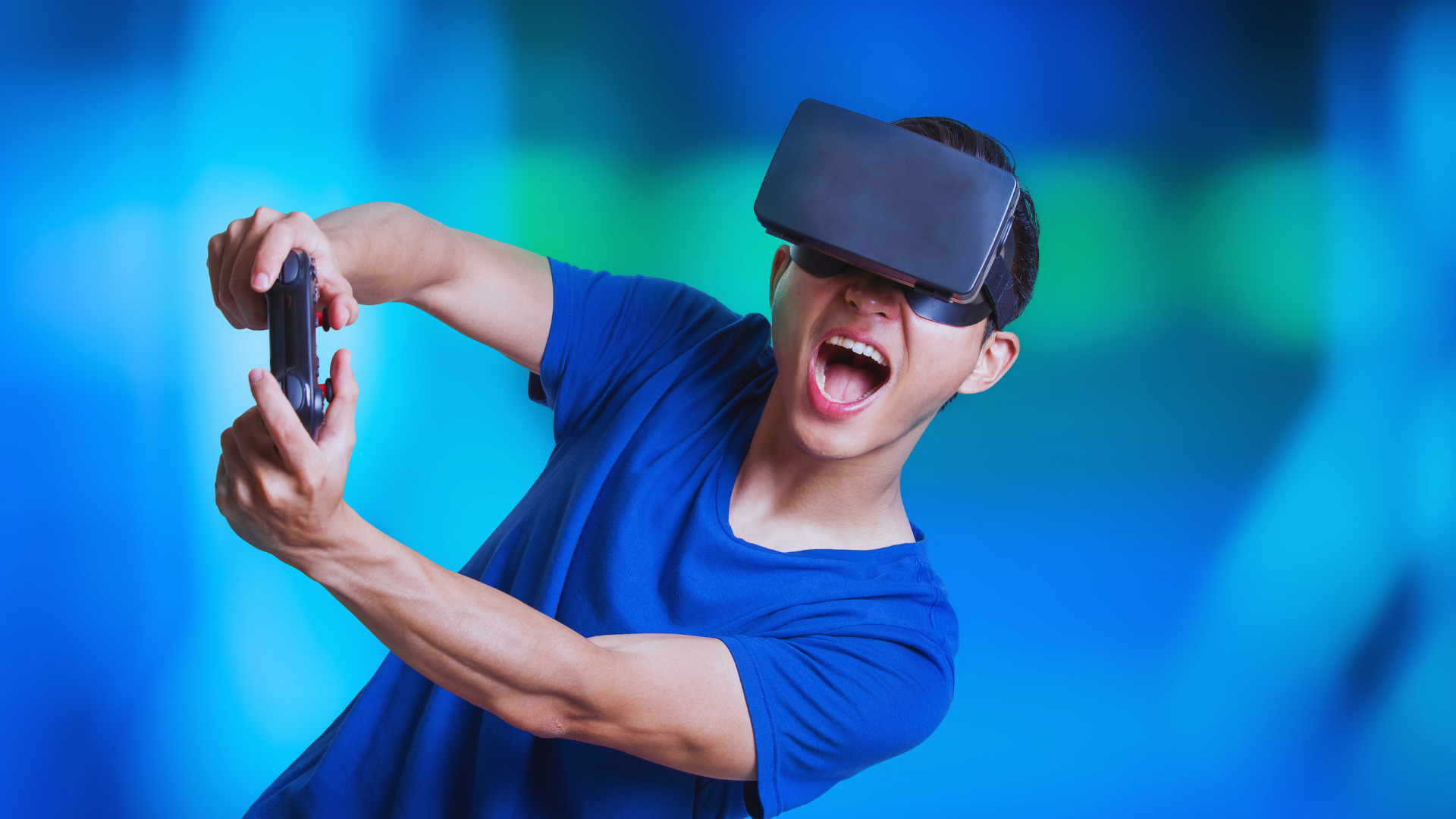
Virtual reality (VR) technology is transforming the gaming landscape by offering immersive experiences that traditional gaming cannot replicate. This shift not only enhances player engagement but also introduces new gameplay mechanics that leverage the unique capabilities of VR. As gamers increasingly seek more interactive and lifelike environments, the influence of VR on traditional gaming becomes more pronounced.
With VR headsets providing a 360-degree view, players can physically move within game worlds, creating a sense of presence and realism. This immersion can significantly alter the dynamics of gaming, as it encourages new strategies, interactions, and forms of storytelling that were previously unattainable. As a result, the gaming experience is evolving, appealing to both veteran gamers and newcomers alike.
The integration of VR in gaming raises questions about the future of traditional formats. As VR continues to gain traction, it challenges developers to innovate and adapt, potentially leading to a redefined gaming industry. Exploring these changes reveals how VR can coexist with traditional gaming formats, ultimately enriching the diverse landscape of entertainment.
Evolution of Gaming: From Traditional to Virtual Reality
The gaming landscape has transformed significantly, moving from traditional forms to immersive virtual reality experiences. This shift highlights the advancements in technology and changing player preferences, which have shaped the gaming industry.
Transition to VR Gaming
The transition to VR gaming began in earnest in the late 20th century, with early attempts at creating immersive environments. Initially, traditional gaming focused on 2D graphics and static gameplay, primarily experienced through consoles and PCs.
As technology advanced, new platforms emerged. The introduction of VR headsets, such as the Oculus Rift and HTC Vive, allowed players to engage in three-dimensional, virtual environments. These devices enhanced interactivity and immersion, enabling players to physically navigate and interact with the game world.
Game development has adapted to this trend, with studios increasingly focusing on creating VR-specific titles. The need for tailored mechanics and environments has led to innovation in gameplay design, often resulting in unique gaming experiences not possible with traditional gaming.
Comparing VR and Traditional Gaming Experiences
VR gaming provides a level of immersion that traditional gaming cannot match. Players are fully enveloped in virtual environments, experiencing games from a first-person perspective. This contrasts sharply with traditional gaming, where players typically observe from an external viewpoint.
In traditional gaming, the narrative and gameplay are often linear. VR introduces intuitive controls and movements, inviting players to manipulate their surroundings. Simulated interactions, such as picking up objects or swinging a weapon, enhance the user’s connection to the game.
While traditional gaming allows for social interaction through multiplayer modes, VR has fostered community in new ways. Players can engage with others in shared virtual spaces, creating a more collaborative atmosphere. This evolution reflects shifting preferences in the gaming industry, as players increasingly seek deeper, more immersive experiences.
Technological Advancements in VR
Technological advancements in virtual reality (VR) have significantly transformed the gaming landscape. Key innovations include improvements in consumer VR headsets, increased immersion through cutting-edge technology, and advances in game design tailored for VR environments.
Consumer VR Headsets: Oculus Rift, HTC Vive, and PlayStation VR
The development of consumer VR headsets such as the Oculus Rift, HTC Vive, and PlayStation VR has opened new avenues for gamers. Each headset features distinct specifications. For instance, the Oculus Rift is praised for its user-friendly setup and extensive game library. The HTC Vive provides room-scale tracking, allowing users to move freely within their environment. PlayStation VR, compatible with the PlayStation 4 and 5, offers an accessible entry point for console gamers.
As they progress, VR headsets increasingly incorporate high-resolution graphics and haptic feedback, enhancing the user’s immersive experience. Wireless models are also becoming prevalent, eliminating restrictions caused by cables and promoting freedom of movement.
Immersive Nature of VR Technology
The immersive nature of VR technology creates an unparalleled gaming experience. Players can interact with virtual environments in ways not previously possible. Technologies such as 360-degree visuals and spatial audio further increase realism.
Advancements like artificial intelligence enhance the responsiveness of in-game characters, making experiences more lifelike. This combination of visuals and auditory effects helps to create a sense of presence, allowing players to feel as though they are physically within the game world.
The physical engagement offered by VR, involving body movement and participation, differentiates it from traditional gaming experiences.
Innovative Game Design and Development for VR
Game design for VR has evolved to focus on creating interactive and engaging experiences that fully utilise the capabilities of VR hardware. Developers now design games with unique mechanics that encourage players to explore and interact with their surroundings. For instance, titles are being crafted to leverage motion controls and haptic feedback, enhancing player agency.
Moreover, the integration of puzzle-solving elements and adventure narratives allows players to engage more deeply. As developers gain more experience with VR, the creativity in game design continues to flourish. Innovative gameplay concepts are emerging, ensuring that VR titles offer something distinct from traditional games.
Impact on Gaming Experiences and Interactivity
Virtual reality has significantly transformed gaming experiences by enhancing immersion, interactivity, and emotional engagement. It has also introduced challenges related to comfort and social interaction in multiplayer settings.
VR’s Contribution to Immersive Gameplay
Virtual reality technology provides a heightened sense of immersion through realistic environments and engaging gameplay. Players experience a strong feeling of presence, as they can look around and interact with their surroundings.
Haptic feedback technology amplifies this effect by simulating touch, allowing players to feel in-game actions. This tactile sensation enhances emotional engagement, making experiences more impactful. The ability to physically move and manipulate objects provides a level of interactivity that traditional games cannot match.
Social Interaction and Multiplayer Experiences
VR has revolutionised social interaction in gaming by enabling players to connect in virtual spaces. Multiplayer experiences foster collaboration and competition, replicating real-world dynamics.
Players can communicate through voice chat and body language, which adds depth to interactions. Virtual gatherings have become commonplace, creating a space for players to engage socially beyond mere gameplay. This blend of socialising and gaming enhances the overall experience, making it feel more personal.
Motion Sickness and User Comfort
Despite its advantages, VR gaming can lead to motion sickness, impacting user comfort. Discomfort arises when there is a disconnect between visual input and physical movement, disrupting players’ experiences.
To mitigate this, developers are exploring solutions such as optimised frame rates and controlled movement mechanics. Ensuring user comfort is essential for maintaining engagement in immersive gaming. Balancing excitement with comfort directly affects players’ willingness to adopt VR technology.
Virtual Reality Beyond Gaming
Virtual reality (VR) extends its influence well beyond gaming, making significant strides in education, entertainment, and augmented reality. Its immersive nature provides unique experiences that enhance learning, storytelling, and audience engagement.
Educational Uses and Training Simulations
VR transforms education by allowing immersive learning experiences that traditional classrooms cannot replicate. Students can explore historical sites, conduct virtual science experiments, or simulate complex concepts in mathematics.
Training simulations in various professions are also greatly enhanced. For example, medical students can practise surgeries in a risk-free environment, while pilots can undergo realistic flight simulations to prepare for real-world scenarios. This hands-on experience increases retention and confidence in practical skills.
VR in Entertainment and Storytelling
The entertainment industry utilises VR to create engaging storytelling experiences. Through immersive narratives, users can step into fantastical worlds, interact with characters, and influence the story’s outcome. This form of storytelling promotes emotional connections and deeper engagement than traditional media.
Live events and concerts have also adopted VR technology, allowing audiences to experience performances from unique perspectives. Viewers can enjoy the event from their homes, creating a blend of physical presence and digital convenience.
Augmented Reality and VR’s Broader Reach
Augmented reality (AR) supplements reality by overlaying digital information onto the physical world, often combined with VR. This integration allows users to interact with virtual elements while remaining in their environment.
Applications of AR and VR span retail, healthcare, and tourism. In retail, customers can visualise products in their homes before purchasing. In tourism, virtual tours allow potential visitors to explore destinations interactively, enhancing their decision-making process. The combination of these technologies broadens their reach and utility across various sectors.