
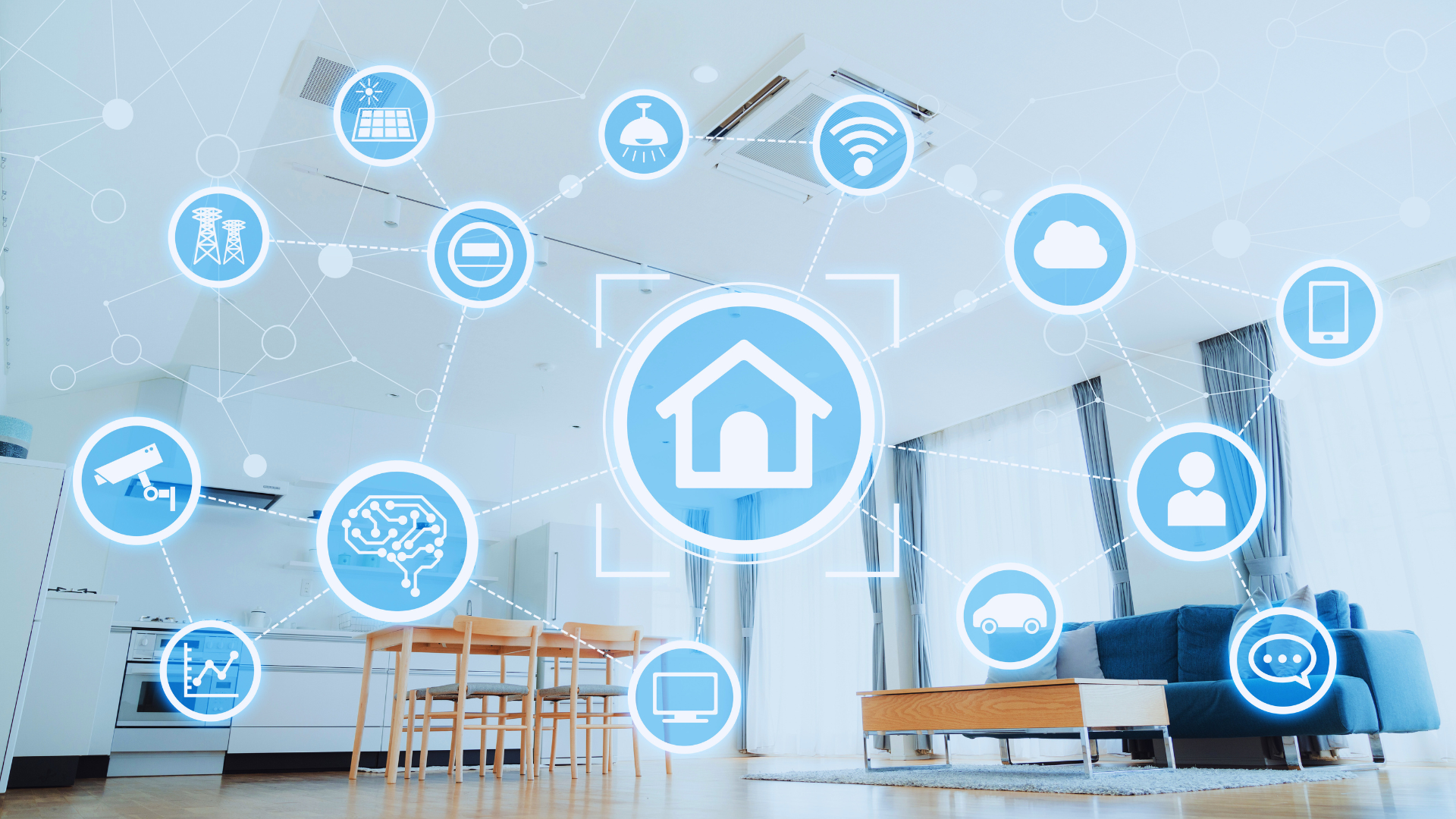
As technology continues to advance, many homeowners are turning to AI to streamline daily tasks and enhance their living environments. Utilising AI for home automation can significantly improve convenience, efficiency, and security. Smart home devices integrated with voice assistants allow for seamless control over various functions, making it easier than ever to manage everything from lighting to temperature.
With the proliferation of smart home devices, the opportunity for automation is vast. Homeowners can automate routines, such as adjusting thermostats or controlling security systems, through simple voice commands or pre-set schedules. This not only saves time but also contributes to energy efficiency, highlighting the practical benefits of incorporating AI into daily life.
Adopting AI-driven solutions empowers individuals to create more responsive and personalised home environments. By harnessing the capabilities of automation, they can enjoy an enhanced living experience that adapts to their unique preferences and needs.
Understanding AI and Smart Home Technology
AI technology has significantly transformed how households operate, making them smarter and more efficient. Integrating artificial intelligence into smart homes enables enhanced automation, increased convenience, and improved energy management. This section focuses on the evolution of AI in home automation and the key components that constitute a smart home.
Evolution of AI in Home Automation
The journey of AI in home automation began with basic programmable devices. With advancements in machine learning and natural language processing, systems have become more intuitive and responsive. Early systems required manual programming, but today, devices can learn user preferences and adapt automatically.
For instance, virtual assistants like Google Assistant, Alexa, and Siri utilise AI algorithms to understand voice commands and perform tasks such as adjusting lighting or controlling appliances. Over the years, AI has progressed to interpret context, making interactions with users seamless and efficient.
This shift towards intelligent home systems fosters a more personalised experience, streamlining daily activities. The integration of AI across multiple platforms allows devices to communicate, enhancing functionality and user comfort.
Key Components of a Smart Home
A smart home comprises various interconnected devices designed to simplify everyday tasks. Central components include smart thermostats, security systems, lighting, and appliances that connect through the Internet of Things (IoT). This connectivity is crucial for seamless operation.
Smart Devices:
- Thermostats: Regulate temperature based on user habits.
- Security Systems: Monitor homes remotely and provide alerts.
- Lighting: Adjustable through voice commands and presets.
Systems rely on a mix of machine learning and AI to automate responses and improve efficiency. For example, smart thermostats can learn a household’s schedule, optimising energy use and reducing costs.
Virtual assistants serve as central hubs, allowing users to control multiple devices with simple commands. This integration is key in enhancing user experience and ensuring that technology effectively supports daily living.
Implementing AI for Home Function Automation
Integrating AI into home functions can significantly enhance convenience, security, and energy management. Effective implementation requires careful selection of devices, integration of voice commands, and robust security measures.
Setting Up AI-Powered Devices
When setting up AI-powered devices, users should prioritise compatibility with existing systems. Key devices include smart lighting, smart locks, and home security systems.
Users should research platforms that offer standard connectivity, such as Wi-Fi or Zigbee. A typical home configuration involves smart hubs, which connect various devices, improving communication.
Utilising machine learning algorithms, these devices learn user preferences over time. For instance, smart thermostats can adjust temperatures based on resident habits, resulting in energy savings.
Table 1: Essential Smart Devices for Home Automation
| Device Type | Functionality |
| Smart Lighting | Automated scheduling and mood settings |
| Smart Locks | Remote access control |
| Home Security Systems | Surveillance and alerts |
Voice Command Integration in Daily Routines
Voice command integration offers a hands-free approach to managing home functions. Voice assistants like Amazon Alexa or Google Assistant can control connected devices through simple commands.
For instance, residents can adjust lighting or temperature just by speaking. Regular phrases can become part of daily routines, increasing efficiency.
Utilising generative AI, these systems can even understand context, improving accuracy. Users can set reminders or control devices with phrases like “turn on the kitchen lights,” making interactions seamless.
Bullet Points: Benefits of Voice Command Integration
- Enhances accessibility for all household members.
- Streamlines daily routines, reducing effort.
- Allows multitasking while managing home functions.
Enhancing Security and Privacy with AI
AI offers significant advancements in home security and privacy. Smart security systems can incorporate facial recognition and motion detection technologies, significantly enhancing protection.
Smart locks provide remote access control, allowing users to grant permissions through their smartphones. AI algorithms can analyse patterns and detect unusual activities, triggering alerts.
Privacy concerns must be addressed during implementation. Users should ensure that devices have robust encryption methods to protect data. Regular software updates are necessary to mitigate vulnerabilities.
Key Considerations for Security Enhancements
- Choose reputable brands with solid privacy policies.
- Enable multi-factor authentication for devices.
- Regularly audit device settings for security compliance.
Optimising Home Efficiency and Comfort
Enhancing home efficiency and comfort can be achieved through the strategic use of AI technologies. These innovations enable precise control over various aspects of the home environment, leading to significant energy savings and an improved living experience.
Smart controls can manage temperature more efficiently, but the physical condition of the home also affects how hard heating and cooling systems have to work. In warmer climates, reducing unwanted heat transfer through appropriate insulation and air sealing can help maintain steadier indoor temperatures. Homeowners in Temecula Valley and North San Diego can consult insulation installers when assessing whether the building envelope is limiting the benefits of an otherwise efficient climate-control setup.
Energy Saving through Smart Thermostats
Smart thermostats are pivotal in managing energy consumption effectively. They adapt to user schedules and preferences, allowing for automated temperature adjustments based on occupancy.
These devices often feature energy monitoring capabilities, providing insights into energy usage patterns. By analysing this data, homeowners can identify peak usage times and adjust settings accordingly, contributing to significant energy savings.
Remote access is another key feature. Users can control their thermostats via mobile apps, ensuring that energy is not wasted when they are away. Features like geofencing help maintain the desired temperature, promoting energy efficiency without sacrificing comfort.
While smart thermostats provide advanced control, their performance still depends heavily on the heating and cooling system they manage. In areas where temperatures can swing to extremes, having a well-installed and regularly serviced air conditioning unit makes all the difference.
That’s where expert help comes in, professional services, like those offered by Platinum Air Heating & Cooling or similar others, focus on keeping HVAC systems running smoothly and efficiently, ensuring dependable comfort even during the hottest stretches of the year.
Intelligent Climate Control Systems
AI-driven climate control systems go beyond simple temperature regulation. They integrate with smart appliances to create a holistic environment tailored to individual needs.
Setting up these advanced systems often requires a professional touch to make sure the physical heating and cooling units work well with the new technology. Homeowners in Ohio frequently rely on local experts to inspect their current setups before upgrading. Working with an experienced team like Watkins Heating & Cooling helps people avoid compatibility issues between old furnaces and smart controllers. These technicians can calibrate the system to run at peak efficiency. This preparation makes the transition to smart climate control much easier.
By using sensors throughout the home, these systems monitor factors such as humidity and air quality. This information allows them to adjust heating, cooling, and ventilation in real time, ensuring optimal comfort.
Such systems can learn from user habits, enabling routine automation. For example, they can pre-cool or pre-heat spaces before occupants arrive, enhancing comfort while minimising energy consumption. With intelligent climate control, homes can maintain a harmonious living environment while significantly reducing energy waste.
Adaptive Lighting and Energy Consumption
Adaptive lighting systems utilise AI to adjust illumination based on natural light availability and activity levels. These systems can dim or brighten lights automatically, ensuring cost-effective energy consumption.
Smart bulbs and fixtures offer remote access, allowing users to schedule lighting based on their routines. This not only contributes to energy savings but reduces the carbon footprint associated with unnecessary lighting.
These systems can also integrate with sensors to detect occupancy. When a room is unoccupied, lights can be switched off automatically, further enhancing energy efficiency. By adopting adaptive lighting, homeowners can enjoy tailored lighting experiences that align with their lifestyles while promoting energy conservation.
Challenges and Future Directions in AI-Driven Home Automation
AI-driven home automation faces significant challenges related to privacy and security, while also influencing health and user experience. Emerging technologies continue to shape the future landscape, presenting both opportunities and hurdles.
Addressing Privacy and Security Challenges
Privacy concerns are paramount in smart home technology. As smart devices collect vast amounts of data about users’ behaviours and preferences, ensuring this information remains secure is vital.
Many households now use security cameras and surveillance cameras, raising questions about data breaches and unauthorised access. Implementing stronger encryption measures and robust security protocols can mitigate these risks.
Users must also be educated about their privacy settings to empower them in managing their own information. Companies should adopt transparent data policies to foster trust and encourage safe usage of AI agents.
The Impact of AI on Health and Well-Being
AI in home automation has a profound impact on health and well-being. Devices that monitor health metrics can provide crucial insights, enabling proactive management of health conditions.
For example, health and wellness monitoring systems can track factors such as sleep patterns or physical activity. This data can inform users about their habits, prompting positive lifestyle changes.
However, reliance on these technologies raises questions about user experience and emotional well-being. A balance must be found to ensure that technology complements rather than dictates day-to-day life.
Advancements and Emerging Technologies
The future of AI-driven home automation is closely tied to advancements in technology. Emerging solutions such as smart appliances and advanced AI agents promise enhanced functionality and efficiency in living spaces.
The integration of machine learning can lead to personalised experiences, adapting to user preferences over time. Moreover, the Internet of Things (IoT) will continue to expand, connecting more devices seamlessly.
Such innovations may face regulatory scrutiny, particularly regarding privacy and security. It is essential for developers to prioritise ethical guidelines to build safer, more effective AI systems for home automation.