
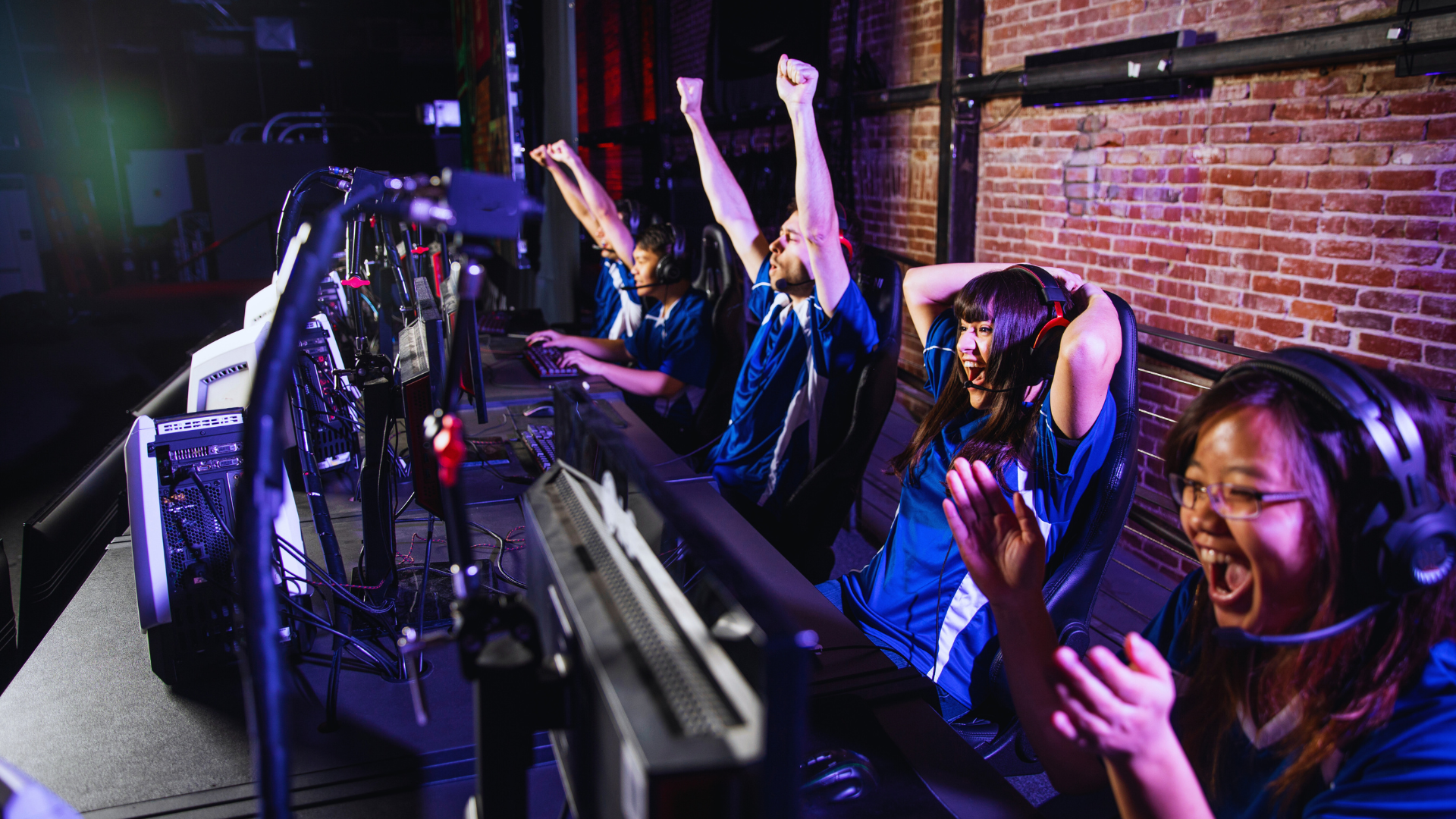
Competitive gaming offers excitement and skill development, yet it can also lead to significant mental strain. Players often find themselves caught in a cycle of pressure, where performance is prioritised over personal well-being. Balancing competitive gaming with mental well-being involves setting boundaries, practising self-care, and recognising the signs of burnout.
Balancing these aspects is crucial for maintaining engagement in the gaming community without sacrificing mental health. While striving for excellence, players should remember that gaming should enhance their lives rather than dominate them. Finding harmony between competition and well-being fosters a more enjoyable and sustainable gaming experience.
It is essential for competitive gamers to establish healthy routines that allow for both progress and recovery. By prioritising mental health alongside gaming achievements, they can enhance their performance while ensuring long-term happiness and fulfilment.
Understanding Mental Health in Competitive Gaming
Mental health is a crucial aspect for players in competitive gaming. The intense demands of high-stakes environments can lead to various psychological impacts, necessitating effective coping strategies to manage anxiety and foster resilience.
The Psychological Impact of Esports
Competitive gaming often results in significant psychological strain. Players face high-pressure situations that can produce symptoms of anxiety and depression. Long hours of practice can contribute to fatigue, leading to decreased mental agility.
Research indicates that players may experience burnout, which can affect performance and personal lives. The relentless pursuit of success creates an environment where self-worth is sometimes tied to in-game achievements. Sustained pressure can make it challenging to maintain a healthy mindset.
Coping with Anxiety and Stress in High-Stakes Environments
To manage anxiety and stress, players need structured coping mechanisms. Techniques such as mindfulness and breathing exercises can reduce overwhelming feelings during competitions. Setting realistic goals helps in creating a manageable competitive experience.
Support systems play a vital role. Establishing connections with coaches or peers can provide emotional support and advice. Regular breaks during practice sessions are essential, allowing players to reset and recharge, which positively impacts mental well-being.
Overcoming Stigma and Building Resilience
Addressing stigma around mental health in esports is crucial. Many players may hesitate to speak about their struggles due to fear of judgment. Promoting open conversations can encourage individuals to seek help when needed.
Building resilience is essential for long-term success. Strategies include cultivating a growth mindset and learning from failures. Regularly participating in mental health awareness initiatives can enhance understanding and reduce stigma, creating a safer environment for all players.
Establishing Healthy Gaming Habits
Healthy gaming habits are crucial for maintaining mental well-being and ensuring a balanced lifestyle. Key areas include managing screen time, incorporating physical activity, and practising mindfulness while gaming.
Balancing Screen Time and Regular Breaks
Effective management of screen time is essential for mental health. It’s advisable to set clear limits on daily gaming duration, perhaps using tools or apps to monitor gameplay.
Players should adopt the 20-20-20 rule: after every 20 minutes of gaming, take a 20-second break to look at something 20 feet away. This practice can reduce eye strain and promote relaxation.
Regular breaks can also enhance cognitive function, allowing players to return to their games refreshed and focused. Integrating short, scheduled pauses into gaming sessions can lead to improved performance and greater enjoyment.
Incorporating Physical Activity and Relaxation Techniques
Physical activity combines well with gaming to counterbalance sedentary behaviour. Incorporating movement, such as stretching or doing light exercises during breaks, can foster better physical health.
Players might explore options like standing desks or active gaming setups that promote movement without sacrificing enjoyment.
In addition to physical exercise, relaxation techniques like deep breathing or meditation can reduce stress levels. Simple practices, such as guided relaxation techniques before or after gaming sessions, create a more focused gaming experience while boosting mental well-being.
Mindful Gaming: Cultivating Awareness and Cognitive Skills
Mindful gaming encourages players to develop awareness of their emotions and thoughts during gameplay. This approach can enhance both emotional intelligence and cognitive skills, leading to a more fulfilling gaming experience.
Players can practise mindfulness by setting intentions before starting a game, reflecting on their feelings throughout the session, and evaluating their performance post-game.
Engaging in this manner helps identify triggers for frustration or stress. Mindfulness encourages a healthier response to challenges, fostering resilience and improving overall mental well-being.
Fostering a Supportive Gaming Community
A supportive gaming community is essential for maintaining mental well-being. By enhancing social connections, encouraging open discussions, and promoting access to mental health resources, gamers can create an environment that nurtures both performance and personal growth.
Enhancing Social Connections and Team Dynamics
Strong social connections within the gaming community contribute significantly to mental well-being. By promoting teamwork and collaboration, players build trust and camaraderie, which enhances their overall gaming experience.
When teams engage in regular communication, they develop better strategies and improve conflict resolution skills. Moreover, team-building activities can strengthen bonds and foster a sense of belonging.
Encouraging players to connect outside of gaming can lead to deeper friendships. Social events, both online and offline, provide opportunities for gamers to bond and share experiences, creating a more supportive environment.
Encouraging Open Discussions and Mental Health Education
Open discussions about mental health can destigmatise the topic within gaming circles. By creating safe spaces for conversations, players are more likely to share their struggles and seek support.
Education plays a pivotal role in raising awareness. Hosting workshops or webinars can inform the community about mental health challenges and effective coping strategies.
Gamers can also benefit from peer support groups where they discuss personal experiences. This mutual support fosters understanding, reduces isolation, and encourages players to maintain their mental well-being.
Seeking Professional Help and Utilising Mental Health Resources
Access to professional help is crucial for those struggling with mental health issues. Gaming communities should promote awareness around mental health resources, including hotlines and local services.
Encouraging prominent figures in gaming to advocate for mental health can inspire others to seek assistance. Their visibility can normalise discussions about mental health within the community.
Collaborating with mental health organisations to provide resources and education can further benefit gamers. By integrating these resources into the gaming experience, players are more likely to prioritise their mental well-being.